Exploring the Wonders of the Helix Nebula: A Journey Through Cosmic Phenomena
In the vastness of the universe, there exists a stunning jewel adorned with the hues of celestial artistry—the Helix Nebula. Known among astronomers and astrophysics aficionados as one of our galactic neighbors, the Helix Nebula is a cosmic wonder that invites enthusiasts of space exploration to delve deeper into the mysteries of stellar evolution and cosmic phenomena. But what exactly makes this nebula a point of interest for not just scientists but also dreamers and seekers of knowledge? Let’s embark on an enthralling journey to unveil the secrets held by this majestic cosmic object.
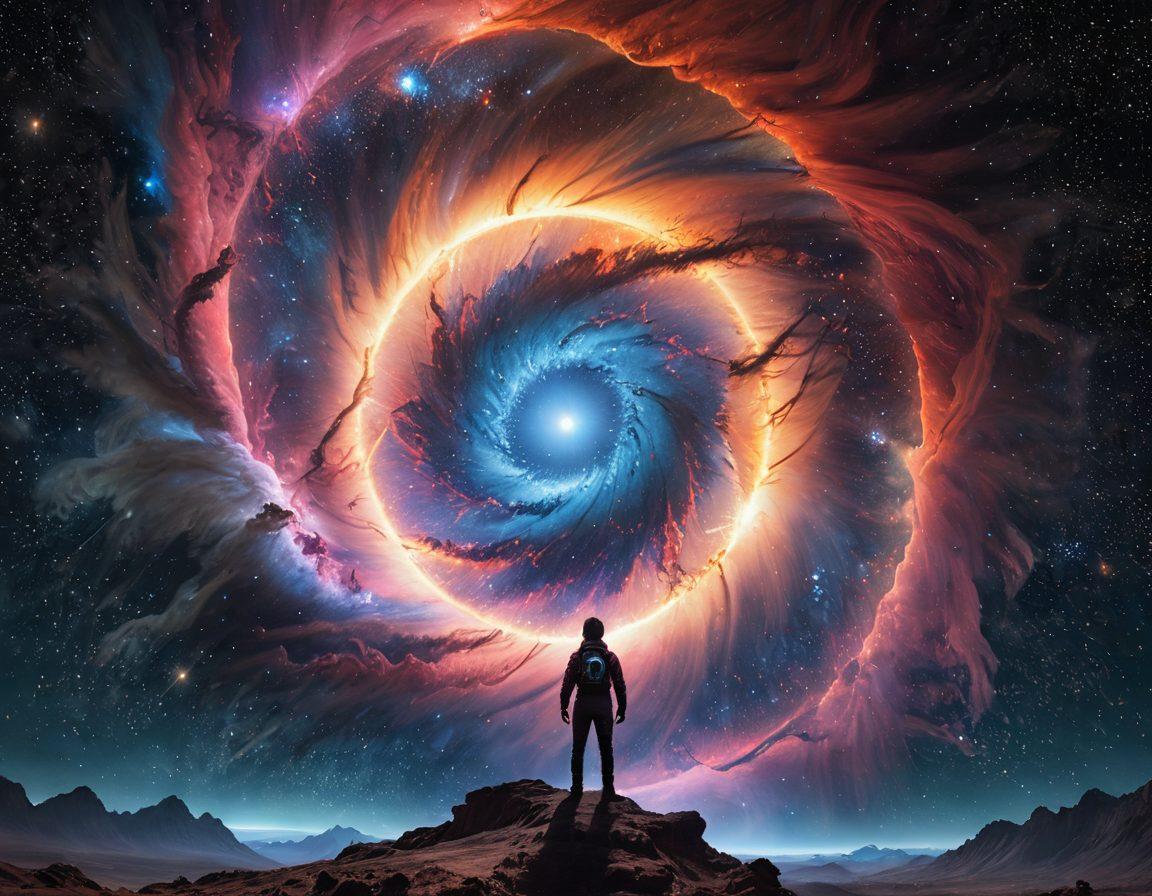
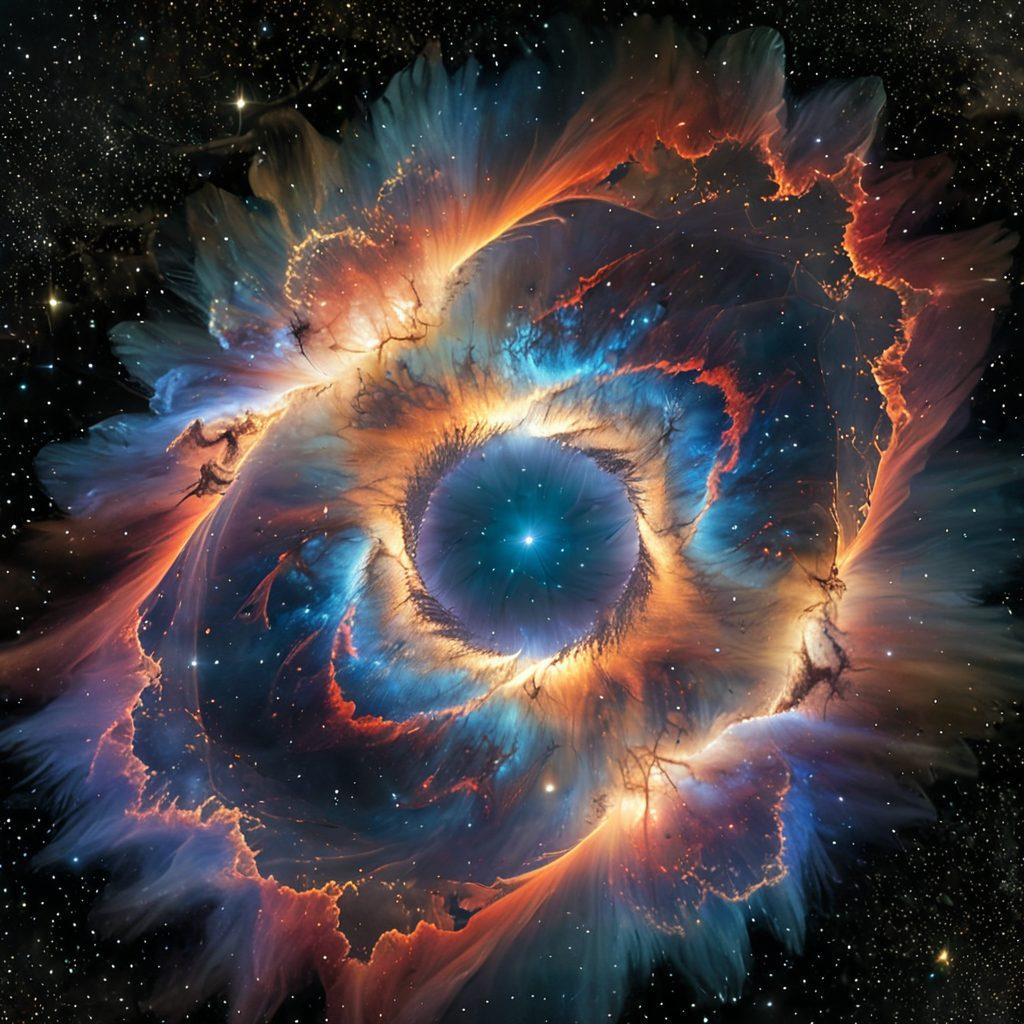
To understand the importance of the Helix Nebula, we must first appreciate its beauty and complexity. Located approximately 700 light-years away in the constellation Aquarius, the Helix Nebula is often referred to as the 'Eye of God' due to its visual resemblance to a staring eye. This captivating illusion is a result of intricate layers of gas and dust, remnants of a dying star, which have released intricate and colorful stellar spectra into the interstellar medium. Such spectacular cosmic events give us insights into the life cycles of stars, shedding light on the process of stellar formation and the subsequent evolution that alters their destiny in the expansive observable universe.
In the grand tapestry of cosmos, the journey of the Helix Nebula begins with a single star reaching its twilight. This stellar evolution culminates in a supernova—a dramatic explosion that ejects the star's material into space, creating a nebula filled with rich elements used for the formation of future celestial objects. Imagine a universe, constantly changing, as new star clusters and exoplanets emerge from the remnants of once-brilliant stars. Isn't it fascinating? The Helix Nebula serves as a testament to this unending cycle, exemplifying the interconnectedness of life within our galaxy and beyond. It pushes us to reflect on the universe mysteries that culminate in our very existence.
As we continue to gaze into the vastness of space, enthusiasts and professionals alike have utilized state-of-the-art astrophotography techniques to capture mesmerizing images of the Helix Nebula. These stunning visuals not only illuminate the beauty of space but also serve as vital data sources for scientists involved in cosmology and planetary science. Thanks to advancements in astroinformatics, the understanding of dark matter, cosmic background radiation, and voids in space has progressed significantly, allowing us to comprehend our place in this intricate cosmic web. What do these discoveries mean for the future of space education?
In conclusion, as we navigate through the wondrous realms of the Helix Nebula, we begin to appreciate not just the aesthetic grandeur of space but also the profound science hidden within the dust and gas. It encapsulates the essence of cosmic phenomena, reminding us that every generation of stars contributes to the next, forging a path for our exploration of the universe. As we learn more about the processes that govern stellar evolution, we are essentially unraveling the narrative of our galaxy and its neighbors. So, fellow space enthusiasts, the call to explore is ever-present! How will you contribute to our understanding of the cosmos and its breathtaking offerings?
From Supernova to Dark Matter: Understanding the Mysteries of the Helix Nebula
Have you ever looked up at the night sky and pondered the mysteries that lie beyond our terrestrial existence? The cosmos is a vast expanse filled with wonders waiting to be explored, and among these wonders is the Helix Nebula. This nebulous beauty, often referred to as the 'Eye of God,' is not just a stunning visual feast; it also serves as a gateway to understanding the intricate dance of stellar evolution. In this science blog, we will embark on a captivating journey through the Helix Nebula, from the explosive legacy of supernovae to the enigmatic clutches of dark matter.
The story of the Helix Nebula is a profound one, beginning with its birth as the remnants of a dying star. It's fascinating to think about how this celestial object, located about 650 light-years away from Earth, is a vivid representation of the life cycle of stars. As we explore the Helix Nebula, we unearth secrets about cosmic phenomena that have shaped our universe. Have you ever imagined how the elements forged in the hearts of stars contribute to the creation of galaxies, planets, and even life itself?
As astrophysics teaches us, the Helix Nebula's formation is a result of a star reaching the end of its life—an explosive event that resonates in the realms of space exploration and planetary science. When a star exhausts its nuclear fuel, it sheds its outer layers, creating a luminous cloud of gas and dust. This is a supernova event waiting to happen, and the Helix Nebula is a beautiful tale of such cosmic stories. The colors captured in space imagery tell us about the chemical makeup of the nebula, with each hue representing different elements—hydrogen, oxygen, and nitrogen—forming a diverse palette in the universe.
In addition to its stunning visuals, the Helix Nebula poses questions about the universe mysteries we seek to unravel. What about the dark matter lurking beyond what we can observe? This elusive component plays a crucial role in the formation and structure of the universe. Could it be that the voids in space we often overlook are filled with dark matter and energy that simply evade our instruments? As we delve deeper into cosmic events and stellar spectra, we must confront the possibility that our understanding of the universe is merely scratching the surface.
To sum it all up, as we explore the wonders of the Helix Nebula, we are reminded of our place in the cosmos and the bond shared between all celestial objects. It sparks curiosity and illustrates the importance of space education and astroinformatics in fueling our quest for knowledge. From the intricate processes of stellar formations to the awe-inspiring visuals captured by astrophotography, the Helix Nebula stands as a testament to the power of exploration and discovery. So, what will you discover next in your journey through the universe? Let this magnificent nebula guide your curiosity as we continue to reach for the stars.
Astrophotography and Space Exploration: Capturing the Beauty of the Helix Nebula
Have you ever found yourself gazing into the night sky, mesmerized by the twinkling stars, and contemplating what lies beyond our tiny existence on Earth? The Helix Nebula, a stunning celestial object located in the constellation Aquarius, serves as a perfect gateway into the vastness of the universe. This iconic nebula, often referred to as the 'Eye of God,' is not just a beautiful spectacle for the eyes but also a treasure trove of cosmic phenomena waiting to be explored. In this blog, we delve into the captivating world of astrophotography and space exploration, as we strive to capture the breathtaking beauty of the Helix Nebula and its secrets hidden in the heart of the cosmos.
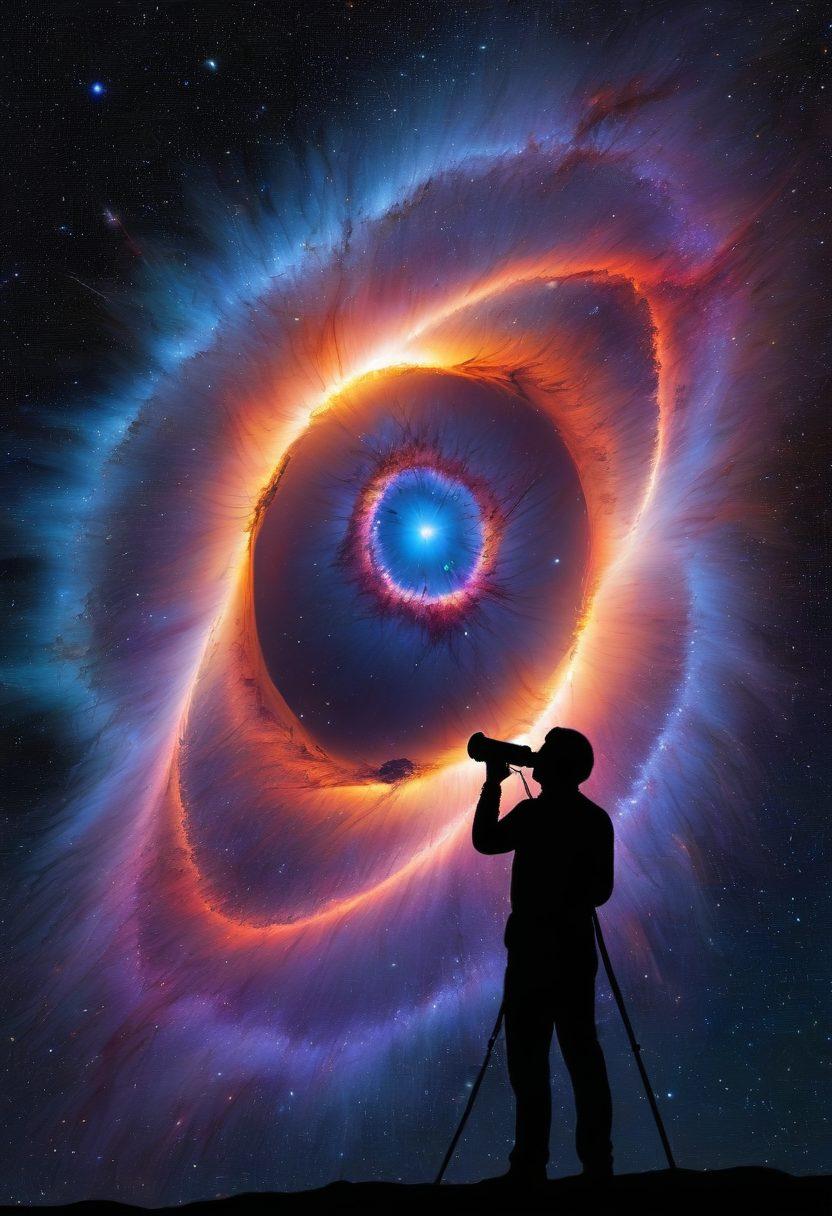
Astrophotography, the art of capturing the stunning visuals of the universe, plays a pivotal role in unveiling the majestic wonders of the Helix Nebula. Photographers armed with advanced telescopes and long-exposure techniques strive to record the intricate details of this nebula, showcasing the vibrant colors formed by glowing gas and dust. Imagine standing under a starlit sky, a camera in hand, as you attempt to immortalize a moment that blends artistic expression with scientific inquiry. The Helix Nebula, with its rich hues and intricate stellar formations, inspires many to pursue a deeper understanding of not only this cosmic phenomenon but also the universe as a whole. What unforgettable stories might your lens reveal?
As we embark on our exploration of the Helix Nebula, it’s crucial to consider the significance of these wonderful objects in the grand tapestry of cosmology and stellar evolution. Nebulae like the Helix are born from the remnants of stars that have reached the end of their life cycle, often after exploding in cataclysmic supernova events. This process encapsulates the incredible journey of matter in the universe, transitioning from the birth of stars to their eventual demise. Within these colorful clouds, one can find a glimpse of how dark matter weaves mysteries around our observable universe. If the cosmos were a book, the Helix Nebula would be a captivating chapter exploring the cycles of existence.
But why should we, as curious beings on this pale blue dot, care about such distant celestial objects? The truth lies in the interconnectivity of everything in our universe. The sights we witness in space imagery are not mere light years away; they echo the fundamental questions of our existence and inspire the next generation of thinkers. What can we learn from studying the Helix Nebula, its star clusters, and the universe's grand design? By engaging in space education and astrophysics, we foster a greater appreciation for our place in the universe. If you’ve ever been puzzled by the mysteries of exoplanets or stellar spectra, immersing yourself in these enigmatic celestial narratives can illuminate your path—and possibly ignite a passion for space exploration.
In summary, capturing the beauty of the Helix Nebula through astrophotography offers a unique opportunity not only to appreciate this cosmic phenomenon but also to spark curiosity in the realms of astronomy and planetary science. Each photograph tells a story of stellar evolution, cosmic events, and our universe’s ongoing saga. While venturing into the voids in space may seem overwhelming, remember that every small observation and inquiry contributes to our understanding of the cosmos. So, grab your telescope, join the community of space enthusiasts, and who knows—perhaps the next breathtaking image of the Helix Nebula could be yours, inspiring others along the way. What cosmic journey will you embark on next?